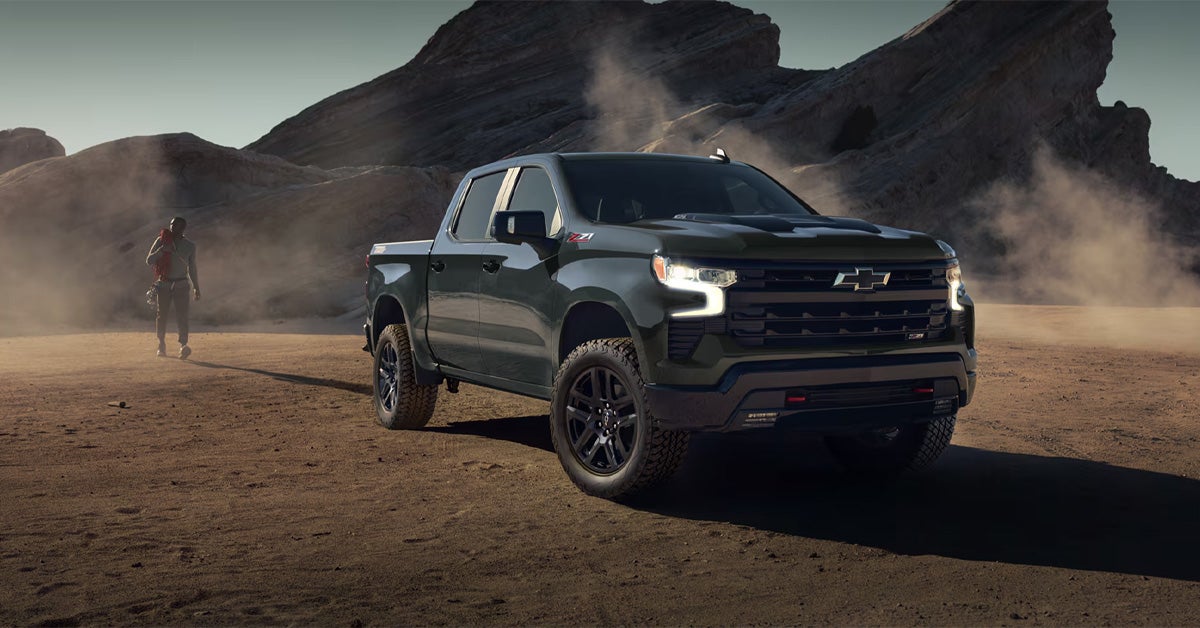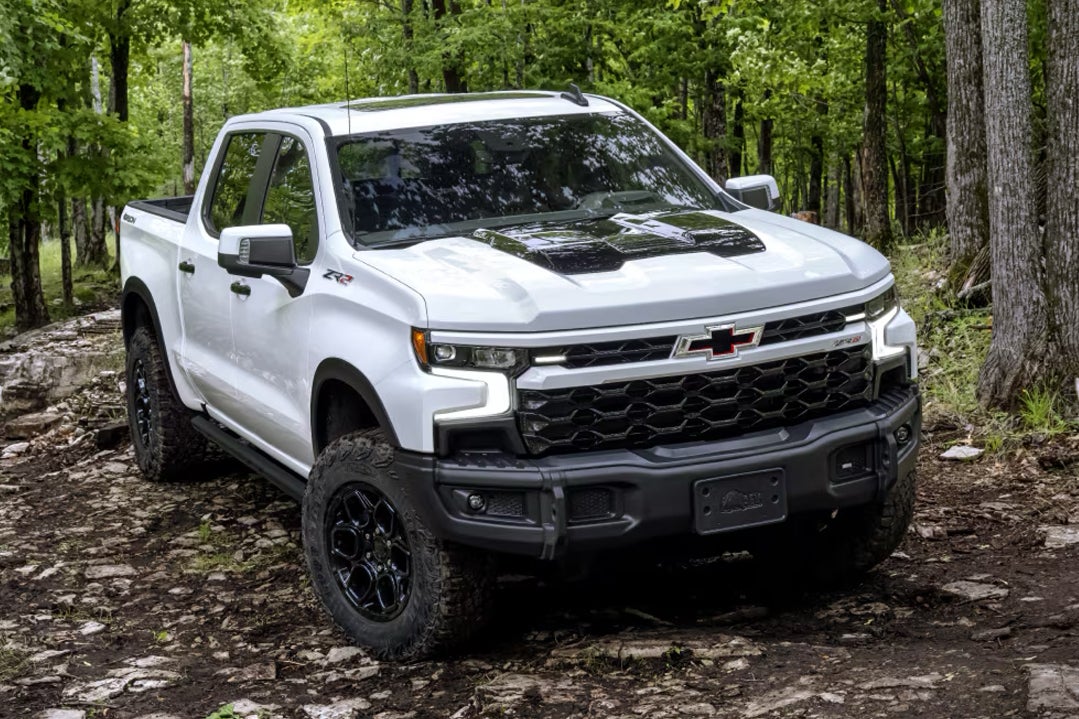





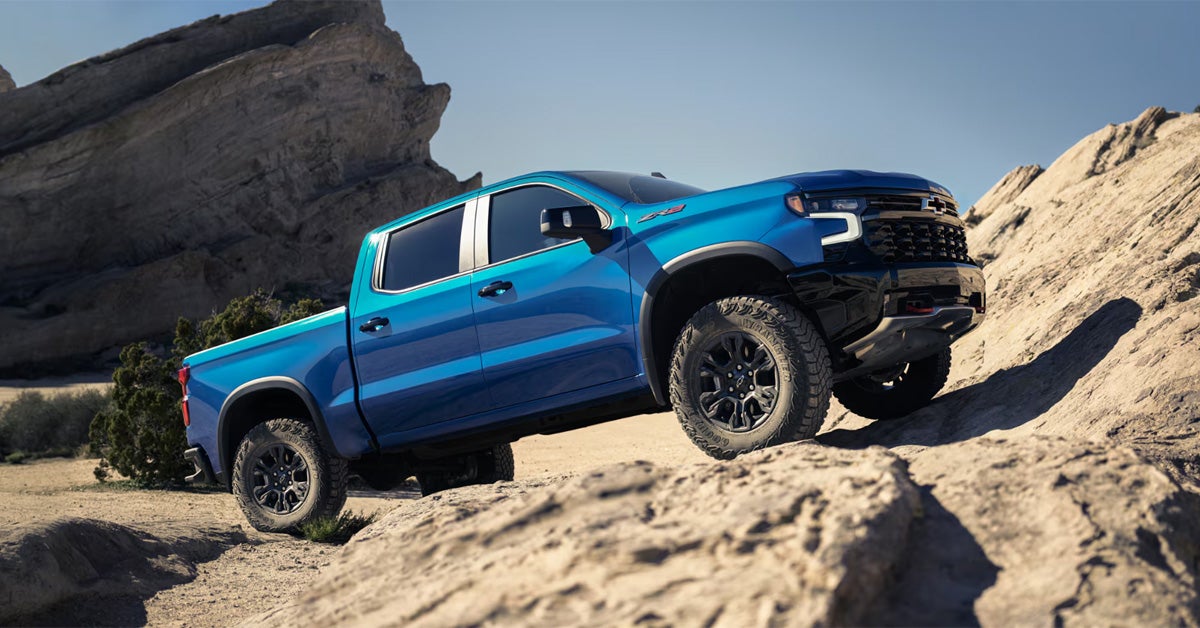
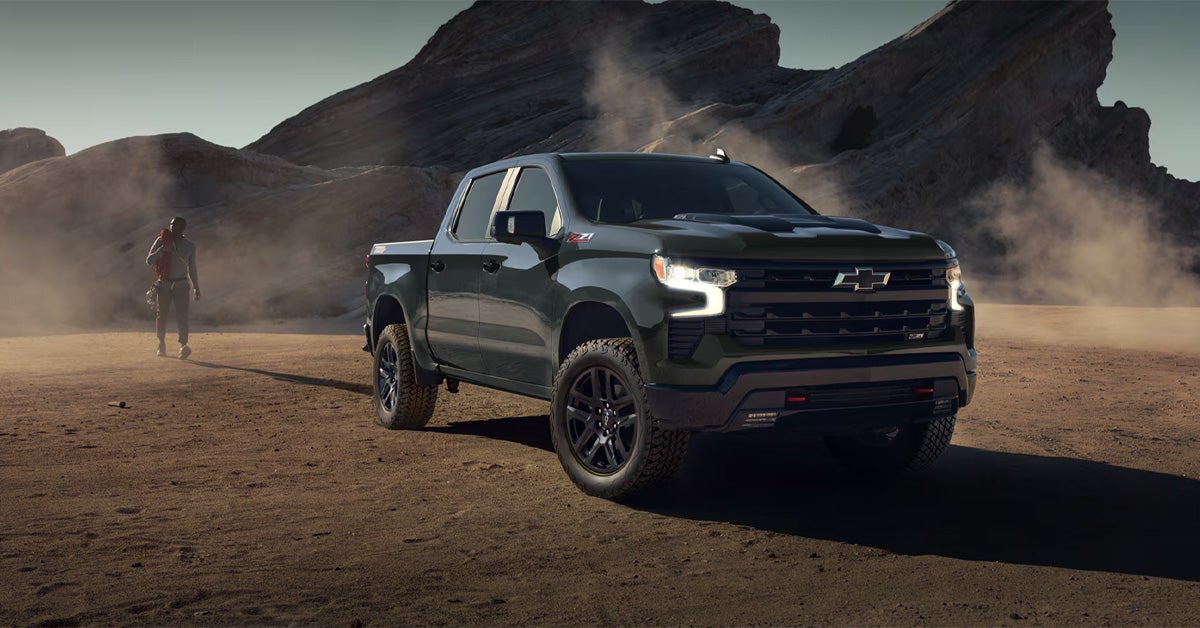
Choosing between the Chevy Silverado 1500 LT vs. RST vs. LT Trail Boss comes down to your priorities, whether those are everyday comfort, bold street style, or serious off-road capability. The LT delivers strong value with advanced tech, the RST adds a sportier, more aggressive design with expanded engine options, and the LT Trail Boss stands out with a factory lift and trail-ready performance. Each Silverado 1500 trim offers impressive towing, modern interior features, and the strength drivers expect from a full-size truck. At Solomon Chevrolet Buick GMC, we are proud to help drivers find the right Silverado 1500 for their needs with a wide selection of new models, expert service, and genuine parts support. Our team is here to make every step simple, from choosing the right trim to keeping your truck running at its best for years to come. Contact us today or visit our dealership to get started. Explore the Silverado 1500 Get Directions Contact Us What Engine Options and Performance Features Are Available Across These Trims? When comparing the Chevy Silverado 1500 LT vs. RST and the LT Trail Boss, all three trims share a strong foundation of power and versatility. The Silverado 1500 offers multiple engine choices, so whether you prioritize efficiency, towing, or off-road strength, there is a setup that fits your needs. Engine Options at a Glance Across the lineup, you can expect: TurboMax (Standard): 310 horsepower and 430 lb-ft of torque, great for everyday driving 5.3L V8 (Available): 355 horsepower, a solid balance of power and capability 6.2L V8 (Available on RST and LT Trail Bos s): 420 horsepower for stronger acceleration and towing confidence Duramax 3.0L Turbo-Diesel (Available): Up to 495 lb-ft of torque and excellent highway efficiency This flexibility makes the Chevrolet 1500 LT vs. RST comparison less about power availability and more about how that power is used. How Each Trim Feels on the Road LT: Smooth, efficient, and ideal for daily driving. In the Silverado 1500 LT vs. LT Trail Boss comparison, the LT leans toward comfort and balance. RST: More responsive and sporty, especially with the available 6.2L V8. This is where the Chevy Silverado 1500 LT vs. RST difference becomes noticeable. LT Trail Boss: Built for tougher terrain with off-road tuning and a factory lift. The difference between the Silverado RST and the LT Trail Boss is clear when the pavement ends. No matter which trim you choose, the Silverado 1500 delivers strong performance and dependable capability. If you want to feel the difference for yourself, visit Solomon Chevrolet Buick GMC and compare these trims side by side. Which Silverado 1500 Trim Offers the Best Interior Features and Technology? Across the Silverado 1500 lineup, technology stays strong no matter which trim you choose. When comparing the Chevy Silverado 1500 LT vs. the RST and LT Trail Boss, all three share a modern, driver-focused cabin built around convenience and connectivity. Shared Interior Tech Highlights Every trim includes: 13.4-inch touchscreen display 12.3-inch digital driver information center Wireless Apple CarPlay and Android Auto Available Google built-in and Wi-Fi hotspot This makes the Chevrolet 1500 LT vs. RST comparison more about style and feel than basic features. LT: Practical Comfort The LT keeps things simple and functional. It is well-suited for daily driving, offering a clean layout and available upgrades that add comfort without unnecessary complexity. In the Silverado 1500 LT vs. LT Trail Boss comparison, the LT leans more toward smooth everyday usability. RST: Sport-Inspired Design The RST adds a more aggressive, modern cabin feel with available premium touches. In the Chevy Silverado 1500 LT vs. RST matchup, it stands out for drivers who want a sportier interior atmosphere. LT Trail Boss: Rugged and Ready The LT Trail Boss shares the same core tech but focuses on durability for tougher conditions. The difference between the Silverado RST and the LT Trail Boss is clear inside, where the Trail Boss is built to handle dirt, gear, and adventure. Finding Your Fit LT: for everyday comfort RST: for sporty style LT Trail Boss: for rugged use To experience these interiors in person, visit Solomon Chevrolet Buick GMC and compare each Silverado 1500 trim side by side. How Does the Exterior Styling Compare Between LT, RST, and LT Trail Boss? The Silverado 1500 lineup stands out quickly, but each trim brings a different personality to the road. When comparing the Chevy Silverado 1500 LT vs. the RST and LT Trail Boss, styling differences often help drivers decide first. Silverado 1500 LT: Clean and Traditional The LT offers a polished, classic truck look that fits work or daily driving. Chrome accents and refined detailing LED lighting for a modern touch Available 20-inch wheels Balanced, versatile design In the Silverado 1500 LT vs. LT Trail Boss comparison, the LT is the more road-friendly and understated option. Silverado 1500 RST: Sport-Inspired Look The RST leans into a bold, modern style that feels more aggressive on the street. Body-color grille and trim Black wheel and trim options Smooth, monochromatic finish Sportier overall stance This is where the Chevrolet 1500 LT vs. RST difference becomes clear, with the RST focusing more on style and attitude. Silverado 1500 LT Trail Boss: Rugged and Lifted The LT Trail Boss is built to look ready for off-road conditions right from the factory. 2-inch factory lift Blacked-out, rugged styling Off-road tires and stance Strong, trail-ready appearance The difference between the Silverado RST and the LT Trail Boss is easy to see; one is street-focused, and the other is built for rough terrain. Quick Styling Breakdown LT: for clean, everyday versatility RST: for sporty street presence LT: Trail Boss for off-road toughness To see these differences up close, visit Solomon Chevrolet Buick GMC and compare each Silverado 1500 trim in person. How Do Safety Features Compare Across LT, RST, and LT Trail Boss? Safety is consistent across the Silverado 1500 lineup, but each trim delivers it with a slightly different focus. When comparing the Chevy Silverado 1500 LT vs. the RST and LT Trail Boss, the core driver assistance systems remain the same, while the overall driving feel changes based on how the truck is meant to be used. Shared Safety Features All three trims include or offer key safety technology, such as the following: Forward Collision Alert with Automatic Emergency Braking Lane Keep Assist with Lane Departure Warning Front Pedestrian Braking Available HD Surround Vision Available Trailer-Side Blind Zone Alert This shared foundation makes the Chevrolet 1500 LT vs. RST comparison more about driving style than safety capability. LT: Everyday Protection The LT focuses on practical, confidence-inspiring safety for daily driving. In the Silverado 1500 LT vs. LT Trail Boss comparison, it is best suited for smooth roads and routine travel. RST: Road-Focused Confidence The RST offers the same safety systems but pairs them with a more responsive, street-oriented feel. This is where the Chevy Silverado 1500 LT vs. RST difference is more about driving personality than protection. LT Trail Boss: Off-Road Awareness The LT Trail Boss uses the same core safety tech but is designed to handle uneven terrain and changing conditions. The difference between the Silverado RST and the LT Trail Boss becomes clear in how each is built for different environments. Quick Takeaway LT: for everyday driving confidence RST: for sporty, road-focused safety feel LT Trail Boss: for rugged, off-road awareness To compare these safety features in person, visit Solomon Chevrolet Buick GMC and see how each Silverado 1500 trim fits your driving needs. How Do LT, RST, and LT Trail Boss Compare in Price? Price is a key factor when comparing Silverado 1500 trims. When looking at the Chevy Silverado 1500 LT vs. the RST and LT Trail Boss, each option is positioned differently based on styling, features, and capability. Starting MSRP Overview LT: Starts around $47,900 RST: Starts around $51,300 LT Trail Boss: Starts around $59,700 This helps frame the Chevrolet 1500 LT vs. RST comparison as a mid-range choice, while the LT Trail Boss sits higher due to added off-road equipment. What Each Price Tier Offers LT: Best value for everyday driving and balanced features. In the Silverado 1500 LT vs. LT Trail Boss comparison, it is the most budget-friendly option. RST: Higher price reflects sportier styling and available performance upgrades. This is where the Chevy Silverado 1500 LT vs. RST difference is most noticeable. LT Trail Boss: Higher cost comes from the factory lift and off-road capability. The difference between the Silverado RST and the LT Trail Boss is clear in its built-in rugged features. Quick Takeaway LT: for the strongest value RST: for style and performance balance LT Trail Boss: for off-road capability To compare pricing and available Silverado 1500 models in person, visit Solomon Chevrolet Buick GMC. What are the biggest differences between the 2026 Silverado 1500 LT, RST, and LT Trail Boss trims? The LT focuses on balanced comfort and value, the RST emphasizes sportier styling and performance options, and the LT Trail Boss is designed for off-road capability with a factory lift and rugged suspension upgrades. How do they differ in prices? The 2026 Silverado 1500 LT starts around $47,900, the RST starts around $51,300, and the LT Trail Boss starts around $59,700. Which 2026 Silverado 1500 trim is good for off-roading? The 2026 Silverado 1500 LT Trail Boss is best for off-roading due to its factory 2-inch lift, off-road suspension, and available locking differential. Which 2026 Silverado 1500 trim is good for daily driving? The 2026 Silverado 1500 LT is best for daily driving because it offers a comfortable ride, strong tech features, and balanced performance for everyday use. Which 2026 Silverado 1500 trim is good for towing or hauling? All 2026 Silverado 1500 trims are capable of towing and hauling, with a maximum available towing capacity of up to 13,300 lbs, depending on configuration. Find the Right Silverado 1500 at Solomon Chevrolet, Buick, and GMC. Choosing between the Silverado 1500 LT, RST, and LT Trail Boss often comes down to how you drive every day. Whether it is the balanced comfort of the LT, the sporty edge of the RST, or the off-road strength of the LT Trail Boss, each trim is built to match a different kind of driver. If you are still weighing your options, taking a closer look in person can make the decision much easier. Drivers from Morgantown, Waynesburg, and Uniontown can explore a wide selection of new models at Solomon Chevrolet Buick GMC. Our inventory is designed to give you real choices, whether you need a dependable daily truck, something stylish for the road, or a capable option for tougher terrain. From trucks like the Silverado 1500 to a variety of SUVs, there is something here to fit a wide range of needs. If you are comparing features across different models, it can also help to look at how other vehicles stack up in their own segments. For example, the updated differences in the 2025 vs. 2026 Buick Envision show how small changes can improve comfort and technology year over year. Safety features like Trailer Side Blind Zone Alert also highlight how modern trucks are helping drivers feel more confident when towing, while matchups like the Envista vs. Trax SUVs show how everyday versatility continues to evolve across the lineup. Visit Solomon Chevrolet Buick GMC or contact us today to continue your search with confidence. Get Directions to Solomon Chevrolet Buick GMC (Vehicle Content Only) Disclaimer: All information is provided for general informational and entertainment purposes only. While we strive for accuracy, we cannot guarantee that all content is complete, current, or error-free. Any reliance you place on such information is strictly at your own risk. This article may include opinions and is not endorsed by, or officially affiliated with, any vehicle manufacturer or brand. Always consult official sources – such as the vehicle’s owner’s manual, authorized dealerships, or certified professionals – for the most up-to-date and personalized information.
Common Chevy Backup Camera Issues & How to Fix Them [2026]
Backup camera issues in Chevrolet vehicles are often caused by problems such as blown fuses, damaged wiring, software glitches, moisture inside the camera housing, or failing camera components. Whether your Chevy backup camera is not working, displaying a blurry image, flickering on and off, missing its parking guidelines, or staying on unexpectedly, identifying the underlying cause is the first step toward restoring safe visibility and confidence when reversing. At Solomon Chevrolet, we're committed to helping drivers get the most from their vehicles, whether you need expert service, genuine Chevrolet parts, or assistance finding your next Chevy. Our knowledgeable team is here to support all your automotive needs, from routine maintenance to advanced diagnostics and repairs. If you're experiencing backup camera problems or have questions about your Chevrolet, contact Solomon Chevrolet today or stop by to speak with our team. Shop All New Cars Get Directions Contact Us Black or Blank Screen A blank screen when you shift into reverse is one of the most common Chevy backup camera problems drivers run into. One moment everything is fine, and the next you are staring at a black display or a "No Signal" message right when you need visibility the most. Whether you drive a Silverado 1500, Tahoe, or Trax, this issue is more common than you might think. What Causes a Black or Blank Screen? When the camera fails to display an image, the video feed has been completely lost. A few different culprits can cause this: A blown fuse related to the camera or infotainment system A damaged wiring harness, especially near the tailgate, where wires flex repeatedly over time A dead camera module that has worn out or been damaged by the elements How to Fix It Check the fuse. Consult your owner's manual to locate the fuse connected to your rear camera. A blown fuse is a quick and inexpensive fix. Inspect the wiring harness. Look for damage near the tailgate, since this area takes stress every time the gate is opened and closed. Try a system reset. Some Silverado 1500 owners have had success pressing and holding the home and fast-forward buttons on the infotainment screen simultaneously. If none of those steps works, it is time to visit the dealership. Many camera repairs qualify for warranty coverage at no cost to you. At Solomon Chevrolet, our service team can quickly diagnose whether the issue is a fuse, a wiring fault, or the camera itself. Schedule a service appointment today and get back to reversing with confidence. Blurry or Foggy Image A blurry Chevy backup camera image is one of those problems that starts small and gets worse over time. What begins as a slightly hazy picture can eventually become so obscured that the camera is practically useless. Two Causes, Two Very Different Fixes Dirty Lens: Sometimes the fix is as simple as cleaning the camera lens. Road grime, mud, and car wash residue can coat the lens and soften the image. Try wiping it down with a soft microfiber cloth and a gentle glass cleaner. Avoid anything abrasive that could scratch the lens coating. Internal Moisture Damage: If cleaning does not help, moisture has likely gotten inside the camera housing. Road salt, rain, and high-pressure car wash spray can all work their way in over time, fogging the image from within and eventually shorting out the internal components. Once moisture is inside, the camera needs to be replaced. This is a common issue for Tahoe and Trax owners who put heavy miles on their vehicles through wet or harsh conditions. Signs the Camera Needs Replacing The image is foggy even after cleaning the lens. The display looks cloudy regardless of outside weather conditions. The blurry image is getting progressively worse over time. If your Silverado 1500 or any other Chevy is showing these signs, do not wait. A compromised camera is a safety issue, not just an inconvenience. Bring it into Solomon Chevrolet and let our service team get you taken care of quickly. Flickering or Intermittent Display A flickering display or an image that cuts in and out is a classic sign of a poor electrical connection. If your backup camera lines are not working properly or the image keeps dropping, the camera itself is often not the problem. The culprit is usually somewhere in the wiring. Where to Start Looking The video signal travels through a cable from the rear camera all the way to the display screen. Any weak point along that path can cause the image to flicker or drop out entirely. Common trouble spots include: Loose or corroded connectors anywhere along the video cable Fakra-style coaxial connectors, which are standard in many Chevy systems and prone to damage or poor seating Aftermarket accessories that may be creating interference with the camera signal The tailgate wiring harness, which flexes every time the gate opens, can develop breaks over time A Simple Way to Find the Break Gently wiggle different sections of the wiring while the camera is active. If the image stabilises when you move a specific spot, you have found your problem area. Reseating the connector or replacing that section of cable is often enough to fix it. This type of issue shows up across many Chevy models. Silverado 1500 and Tahoe owners dealing with intermittent display problems, particularly on higher-mileage vehicles, should have the wiring inspected sooner rather than later. The Solomon Chevrolet service team can track down the problem quickly and get your camera working reliably again. Caution Symbol / Camera Icon with an X This one tends to catch drivers off guard. The camera activates when you shift into reverse, but instead of a live image, the screen shows a caution symbol or a camera icon with an X. It is the system's way of saying it detects the camera but cannot get a usable signal from it. What It Usually Means Unlike a completely blank screen, this warning suggests the system recognises the camera, but something is blocking communication. The most likely causes are: A wiring fault between the camera and the display module A damaged or failing camera that is no longer transmitting properly A loose connector at the tailgate hinge is one of the most common weak points on any Chevy What You Can Do Start by inspecting the wiring and connectors near the tailgate hinge. This area takes repeated stress every time the tailgate is opened and closed, making it a frequent source of Chevy backup camera problems on many models. If the vehicle is still under warranty, skip the DIY approach entirely. Trax and Tahoe owners with newer vehicles, especially, should take advantage of warranty coverage before it expires. Overheating / Works Intermittently on Hot Days Why Does Your Chevy Backup Camera Only Act Up on Hot Days? If your backup camera works fine in the morning but cuts out by afternoon, heat is likely the culprit. This is one of the more puzzling Chevy backup camera problems because it seems to resolve overnight, only to return when temperatures climb again. Why Heat Affects the Display When your vehicle's interior gets hot, the display module can overheat and struggle to function. A few conditions that make this worse include: Parking in direct sunlight for extended periods Larger cabins, like those in the Tahoe, that trap more heat around the display area Hot and humid summer days, where interior temperatures spike quickly What You Can Do Run your air conditioning for a few minutes before shifting into reverse. Allow the cabin to cool down before expecting the display to work normally. If the image returns after cooling, heat is almost certainly the trigger. If cooling the cabin does not solve it, the problem may run deeper. A failing connector or worn component can use temperature as a trigger, making it harder to diagnose without a proper inspection. Bring your Chevy into Solomon Chevrolet and let our service team figure out what is really going on. What are the common backup camera issues in a Chevy? Common Chevy backup camera issues include a black or blank screen, blurry or foggy images, flickering displays, missing backup guidelines, warning symbols on the screen, and intermittent operation caused by wiring, software, moisture, or camera component failures. How do I fix my Chevy backup camera that's always on? If your Chevy backup camera is always on, try resetting the infotainment system and checking for software updates. If the problem continues, a dealership can diagnose potential electrical or software issues causing the camera to remain active. How do I fix my Chevy backup camera lines not working or showing up? If your Chevy backup camera lines are not working, try restarting the infotainment system and checking for software-related issues. Missing guidelines may also be caused by camera alignment or calibration problems that require professional service. Why is my Chevy backup camera blurry, and how do I fix it? A Chevy backup camera may appear blurry because of a dirty lens or moisture inside the camera housing. Clean the lens with a microfiber cloth first. If the image remains foggy or blurry, the camera may need replacement due to internal moisture damage. Resolve Your Vehicle Issues at Solomon Chevrolet Camera issues can be frustrating, but they do not have to keep you off the road for long. Whether you drive a Silverado 1500, Tahoe, or Trax, the Solomon Chevrolet service team has the experience to diagnose and fix the problem quickly. Many repairs qualify for warranty coverage, so bring your vehicle in before paying out of pocket. Drivers from Morgantown, Waynesburg, and Uniontown can stop by or contact us anytime to schedule a service appointment. If you are also in the market for something new, we invite you to explore our current inventory. From the rugged capability of the Silverado 1500 to the versatile Tahoe and the nimble Trax, there is something on our lot for every driver and every lifestyle. Our team is happy to walk you through your options and help you find the right fit. A backup camera is just one of many features worth understanding before committing to a vehicle. If you are weighing your options, our breakdown of Silverado 1500 trim levels walks you through exactly what you get at each level. You can also browse our comparisons covering GMC Sierra 1500 trim differences and what changed in the latest Buick Envision if you are keeping your options open. Get Directions to Solomon Chevrolet Buick GMC Disclaimer: All information is provided for general informational and entertainment purposes only. While we strive for accuracy, we cannot guarantee that all content is complete, current, or error-free. Any reliance you place on such information is strictly at your own risk. This article may include opinions and is not endorsed by, or officially affiliated with, any vehicle manufacturer or brand. Always consult official sources – such as the vehicle’s owner’s manual, authorized dealerships, or certified professionals – for the most up-to-date and personalized information.